
Digital Marketing Strategy That Actually Works: A Technology-Driven Approach
In today’s competitive business landscape, having a solid digital marketing strategy isn’t optional – it’s essential for survival. Yet many businesses struggle to create marketing campaigns that deliver real results. The difference between successful and struggling companies often comes down to how effectively they integrate technology solutions with their marketing efforts.
Why Traditional Marketing Approaches Fall Short
Many businesses still rely on outdated marketing methods that worked decades ago but fail to connect with today’s digital-first consumers. Traditional advertising channels like print ads and radio spots can’t provide the detailed analytics and targeting capabilities that modern marketing technology offers.
The shift toward digital marketing isn’t just about following trends – it’s about meeting customers where they actually spend their time. Research shows that consumers now spend over seven hours daily interacting with digital media. If your marketing strategy doesn’t account for this reality, you’re missing opportunities to connect with potential customers.
Smart businesses recognize that effective digital marketing requires more than just posting on social media or sending occasional emails. It demands a comprehensive approach that leverages marketing automation, data analytics, and technology solutions to create personalized customer experiences.
Building a Technology-Powered Marketing Foundation
Successful digital marketing starts with the right technology infrastructure. This doesn’t mean you need the most expensive tools available, but you do need systems that can grow with your business and provide actionable insights about your marketing performance.
Marketing automation platforms serve as the backbone of modern digital marketing strategies. These systems can nurture leads automatically, segment customers based on behavior, and deliver personalized content at scale. When implemented correctly, marketing automation can increase qualified leads by up to 451% while reducing the time your team spends on repetitive tasks.
Customer relationship management (CRM) integration is equally important. Your marketing technology should seamlessly connect with your sales processes, ensuring that no leads fall through the cracks and that your team has complete visibility into the customer journey.
Data-Driven Decision Making in Digital Marketing
One of the biggest advantages of digital marketing over traditional methods is the wealth of data available to guide your decisions. Every click, view, and interaction provides insights that can help you refine your approach and improve results.
However, having access to data isn’t enough – you need to know how to interpret and act on it. This is where many businesses struggle. They collect massive amounts of information but lack the expertise to transform that data into actionable marketing strategies.
Effective digital marketing agencies understand how to analyze customer behavior patterns, identify high-performing content types, and optimize campaigns based on real performance metrics rather than assumptions. This data-driven approach leads to better ROI and more predictable marketing results.
The Role of SEO in Modern Marketing Technology
Search engine optimization remains a cornerstone of effective digital marketing, but it’s evolved far beyond simple keyword stuffing. Modern SEO requires a deep understanding of user intent, technical website optimization, and content strategy that aligns with both search algorithms and customer needs.
SEO services today involve sophisticated tools that can analyze competitor strategies, identify content gaps, and track rankings across multiple search engines and locations. This technology-driven approach to SEO helps businesses capture more organic traffic and reduce their dependence on paid advertising.
Local SEO has become particularly important for businesses serving specific geographic areas. Marketing technology can help optimize your online presence for “near me” searches, manage online reviews, and ensure consistent business information across all digital platforms.
Marketing Automation: Working Smarter, Not Harder
Marketing automation represents one of the most significant advances in marketing technology. These systems can handle complex, multi-step campaigns that would be impossible to manage manually while providing personalization at scale.
Consider email marketing automation as an example. Instead of sending the same message to your entire list, automation allows you to create different paths based on customer behavior. Someone who downloads a whitepaper might receive educational content, while someone who visits your pricing page might get case studies and testimonials.
This level of personalization significantly improves engagement rates and conversion percentages. Businesses using marketing automation typically see a 14.5% increase in sales productivity and a 12.2% reduction in marketing overhead costs.
Choosing the Right Digital Marketing Technology Partner
Implementing effective marketing technology requires expertise that many businesses don’t have in-house. This is where partnering with a digital marketing agency that specializes in technology solutions becomes valuable.
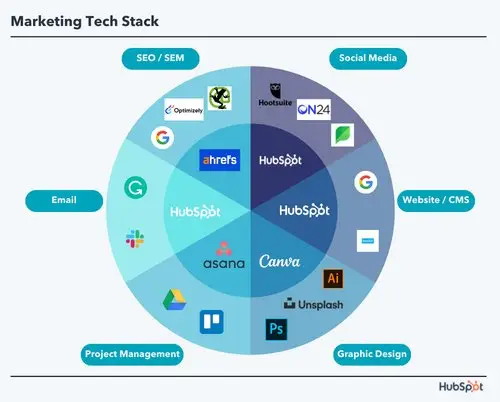
The right agency will assess your current marketing technology stack, identify gaps and opportunities, and recommend solutions that align with your business goals and budget. They should also provide ongoing optimization and support to ensure your marketing technology continues delivering results as your business grows.
Look for agencies that emphasize transparency in their reporting and can explain how their technology recommendations will impact your bottom line. The best marketing technology partners focus on measurable outcomes rather than vanity metrics.
Digital marketing success in today’s environment requires more than creative campaigns – it demands strategic use of marketing technology to create efficient, scalable, and measurable marketing systems. By embracing automation, data analytics, and integrated technology solutions, businesses can build marketing strategies that drive consistent growth while maximizing their return on investment.