
Digital Marketing Technology Solutions: Transforming Your Business Growth Strategy
In today’s competitive business landscape, companies need more than traditional marketing approaches to thrive. Digital marketing technology solutions have become essential tools for businesses looking to reach their target audience effectively, optimize their marketing spend, and drive sustainable growth. This comprehensive guide explores how modern marketing technology can revolutionize your business strategy and deliver measurable results.
Understanding Modern Marketing Technology Solutions
Marketing technology, often called MarTech, encompasses the software and tools that help businesses plan, execute, and measure their marketing campaigns. These solutions range from customer relationship management systems to advanced analytics platforms that provide deep insights into customer behavior and campaign performance.
The evolution of marketing technology has transformed how businesses connect with their customers. Instead of relying on broad, untargeted campaigns, companies can now deliver personalized experiences that resonate with individual customers at every stage of their journey. This shift has made marketing more efficient and significantly more effective.
Modern marketing technology solutions integrate seamlessly with existing business systems, creating a unified view of customer interactions across all touchpoints. This integration enables businesses to make data-driven decisions and optimize their marketing efforts in real-time.
Essential Components of Digital Marketing Technology
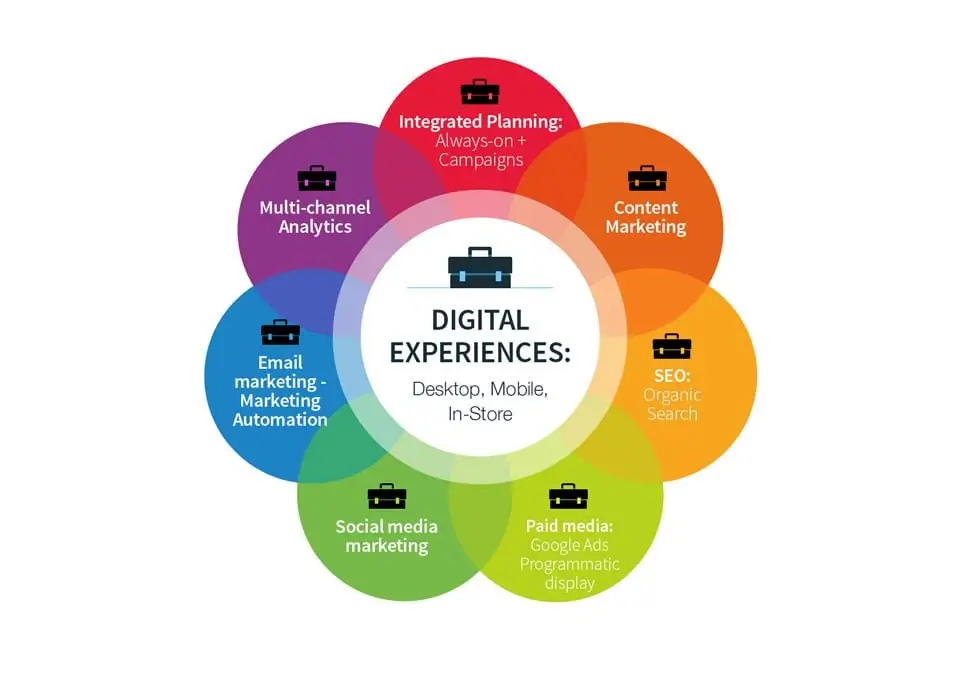
A comprehensive marketing technology stack includes several key components that work together to create powerful marketing campaigns. Customer relationship management systems serve as the foundation, storing valuable customer data and interaction history that informs all marketing decisions.
Marketing automation platforms streamline repetitive tasks and enable personalized communication at scale. These systems can trigger targeted emails, social media posts, and other marketing activities based on customer behavior and preferences. This automation saves time while ensuring consistent, relevant messaging.
Analytics and reporting tools provide the insights needed to measure campaign effectiveness and identify optimization opportunities. Advanced analytics can track customer journeys across multiple channels, revealing which touchpoints drive conversions and which need improvement.
Benefits of Implementing Marketing Technology Solutions
Businesses that embrace marketing technology solutions typically see significant improvements in their marketing efficiency and effectiveness. Automation reduces manual work, allowing marketing teams to focus on strategy and creative development rather than repetitive tasks.
Personalization capabilities enable businesses to deliver relevant content and offers to each customer, increasing engagement rates and conversion probabilities. When customers receive messages that align with their interests and needs, they’re more likely to take desired actions.
Data-driven insights help businesses understand their customers better and make informed decisions about marketing investments. Instead of guessing what might work, companies can rely on concrete data to guide their strategies and budget allocation.
Choosing the Right Marketing Technology for Your Business
Selecting appropriate marketing technology solutions requires careful consideration of your business goals, current capabilities, and growth plans. Start by identifying your most pressing marketing challenges and the outcomes you want to achieve. This clarity helps narrow down the vast array of available tools.
Consider your team’s technical expertise and available resources for implementation and ongoing management. Some solutions require significant technical knowledge, while others are designed for users without extensive technical backgrounds. Choose tools that match your team’s capabilities.
Scalability is another crucial factor. Your marketing technology should grow with your business, accommodating increased data volumes, more complex campaigns, and additional team members without requiring complete system overhauls.
Integration Strategies for Maximum Impact
Successful marketing technology implementation depends on seamless integration between different tools and systems. Isolated tools create data silos that limit your ability to understand customer behavior and optimize campaigns effectively.
API connections and native integrations enable data flow between systems, creating a unified view of customer interactions. This connectivity allows for more sophisticated automation and personalization strategies that wouldn’t be possible with disconnected tools.
Regular data audits ensure that information flows correctly between systems and remains accurate over time. Clean, consistent data is essential for effective marketing automation and reliable analytics.
Measuring Success with Marketing Technology
Effective measurement requires establishing clear key performance indicators before implementing new marketing technology. These metrics should align with your business objectives and provide actionable insights for optimization.
Track both leading and lagging indicators to get a complete picture of your marketing performance. Leading indicators like email open rates and website engagement help predict future results, while lagging indicators like revenue and customer acquisition cost show ultimate outcomes.
Regular reporting and analysis help identify trends and opportunities for improvement. Set up automated reports that deliver key metrics to stakeholders, but also conduct deeper analysis to understand the stories behind the numbers.
Common Implementation Challenges and Solutions
Many businesses face similar challenges when implementing marketing technology solutions. Data quality issues can undermine even the most sophisticated tools, so establishing data governance processes is essential from the start.
User adoption often presents obstacles, especially when new tools require significant changes to existing workflows. Comprehensive training and change management strategies help teams embrace new technologies and realize their full potential.
Technical integration challenges can delay implementation and limit functionality. Working with experienced implementation partners or consultants can help navigate these complexities and ensure successful deployment.
Future Trends in Marketing Technology
Artificial intelligence and machine learning are increasingly integrated into marketing technology solutions, enabling more sophisticated automation and predictive analytics. These technologies can identify patterns in customer behavior that humans might miss and optimize campaigns in real-time.
Privacy regulations continue to shape how marketing technology collects and uses customer data. Solutions that prioritize privacy compliance and first-party data collection will become increasingly important as third-party cookies phase out.
Cross-channel orchestration capabilities are becoming more sophisticated, enabling seamless customer experiences across all touchpoints. This evolution allows businesses to deliver consistent messaging and experiences regardless of how customers choose to interact with their brand.
Getting Started with Marketing Technology Solutions
Begin your marketing technology journey by conducting a thorough audit of your current tools and processes. Identify gaps where technology could improve efficiency or effectiveness, and prioritize these opportunities based on potential impact and implementation complexity.
Start with foundational tools that provide immediate value and can serve as building blocks for more advanced capabilities. Customer relationship management and email marketing platforms often provide quick wins while establishing the data foundation for future enhancements.
Consider working with experienced marketing technology consultants who can help you navigate the complex landscape of available solutions. Their expertise can help you avoid common pitfalls and accelerate your path to success.
Marketing technology solutions offer tremendous opportunities for businesses ready to embrace data-driven marketing strategies. By choosing the right tools, implementing them thoughtfully, and measuring results consistently, companies can achieve significant improvements in their marketing effectiveness and business growth. The key is starting with clear objectives and building capabilities systematically over time.